
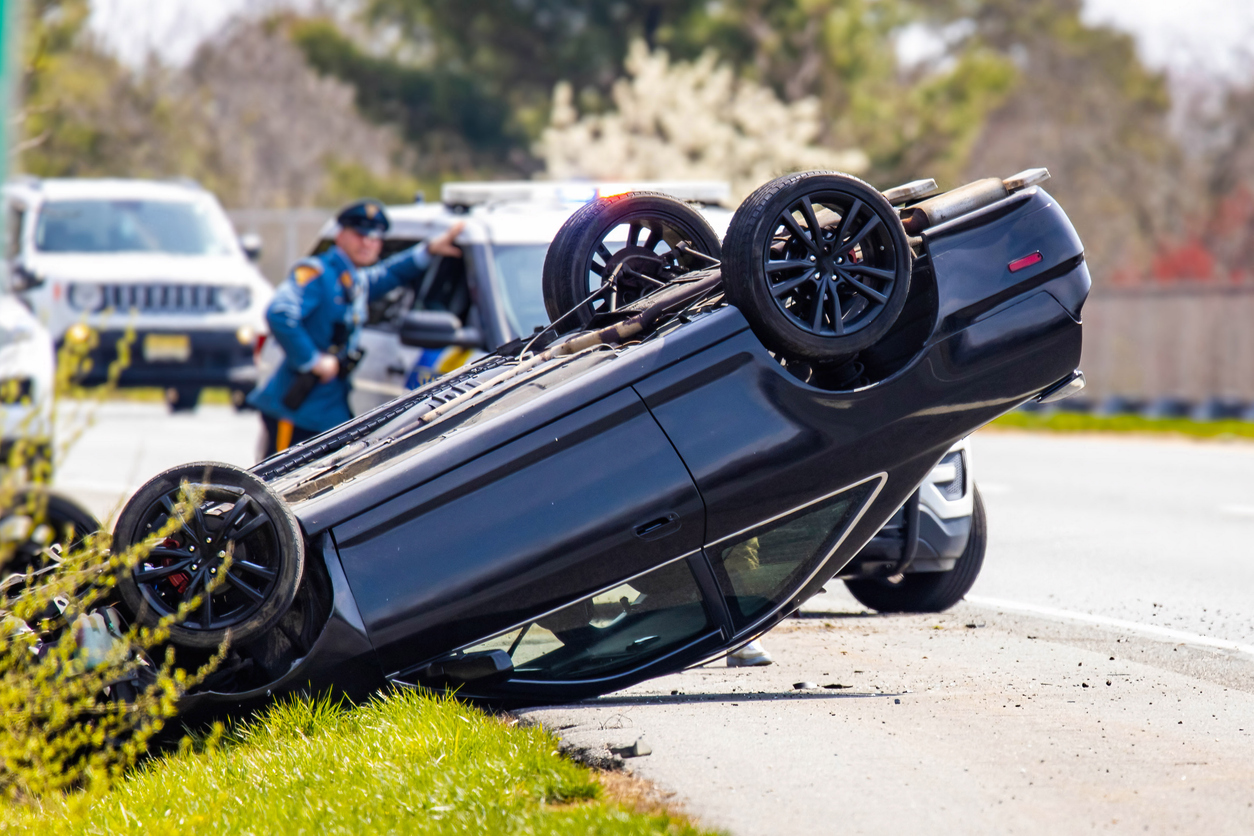
Multi-car accidents happen in an instant, but sorting out who is responsible can take months. One driver slams on the brakes, another swerves, and before you know it, several vehicles are caught in a pileup. Everyone has a different version of what happened, and insurance companies are quick to point fingers.
California's Comparative Negligence Law
California follows a pure comparative negligence rule, which means that even if you share some of the blame for an accident, you can still seek compensation. However, your payout is reduced by your percentage of fault. So, if you were 30% responsible for a crash and your total damages amount to $100,000, you'd only receive $70,000. Unlike some states where crossing a fault threshold means you can't collect anything, California allows claims no matter how much blame is assigned.
This is especially important in multi-car accidents, where fault is rarely clear-cut. Instead of one driver taking full responsibility, blame is often distributed among multiple parties.
How Fault is Determined in a Multi-Car Crash
Multi-vehicle accidents are complicated because they involve multiple perspectives, conflicting witness accounts, and a variety of external factors. Insurance companies, law enforcement, and sometimes accident reconstruction experts work together to assign responsibility based on the evidence available.
Evidence plays a crucial role in these cases. Police reports, dashcam footage, and even data from a car's event recorder can help establish who contributed to the accident. Even road conditions and weather can influence fault determination.
How Insurance Companies Handle Shared Fault
When multiple drivers share responsibility for an accident, insurance companies conduct their own investigations, reviewing accident reports, talking to witnesses, and analyzing vehicle damage. Their goal isn't necessarily to find the objective truth but rather to minimize their financial liability. This means they often push for a higher fault percentage on other drivers to reduce the payout for their policyholders.
Maximizing Compensation After a Multi-Car Accident
- Strong Documentation: Gather medical records, repair estimates, and photos or videos from the accident scene
- Medical Expenses and Lost Wages: Document these carefully to ensure full compensation
- Non-Economic Damages: Pain and suffering, emotional distress, and loss of enjoyment of life can significantly impact your settlement
- Long-Term Effects: If your injuries lead to chronic health issues or limit your ability to work, your compensation should reflect the ongoing impact
Why Legal Representation Matters
If you've been in a multi-car accident, the complexity of assigning fault means that having a legal advocate can make a major difference in the outcome of your case. A personal injury attorney can challenge unfair fault assessments, gather expert testimony, and negotiate with multiple insurance companies on your behalf.
At LMS Law, we specialize in handling the intricacies of comparative negligence multi-vehicle accident claims in California. We know how insurance companies operate and what tactics they use to reduce payouts.